Blog
- Todas
- Ingeniería
- Subvenciones
- Tecnología Interledger
- Noticias
- Política e Incidencia
- Liderazgo Intelectual
44 resultados
No results found. Please adjust your keyword search or filter settings.
Search is unavailable right now. Showing all posts instead — please try again later.
-
Beyond Access: Innovation at the Edges
34M+ users joined Colombia’s instant payments in six months. Beyond Access asks what comes next: turning access into everyday use and financial agency.
 4 min de lectura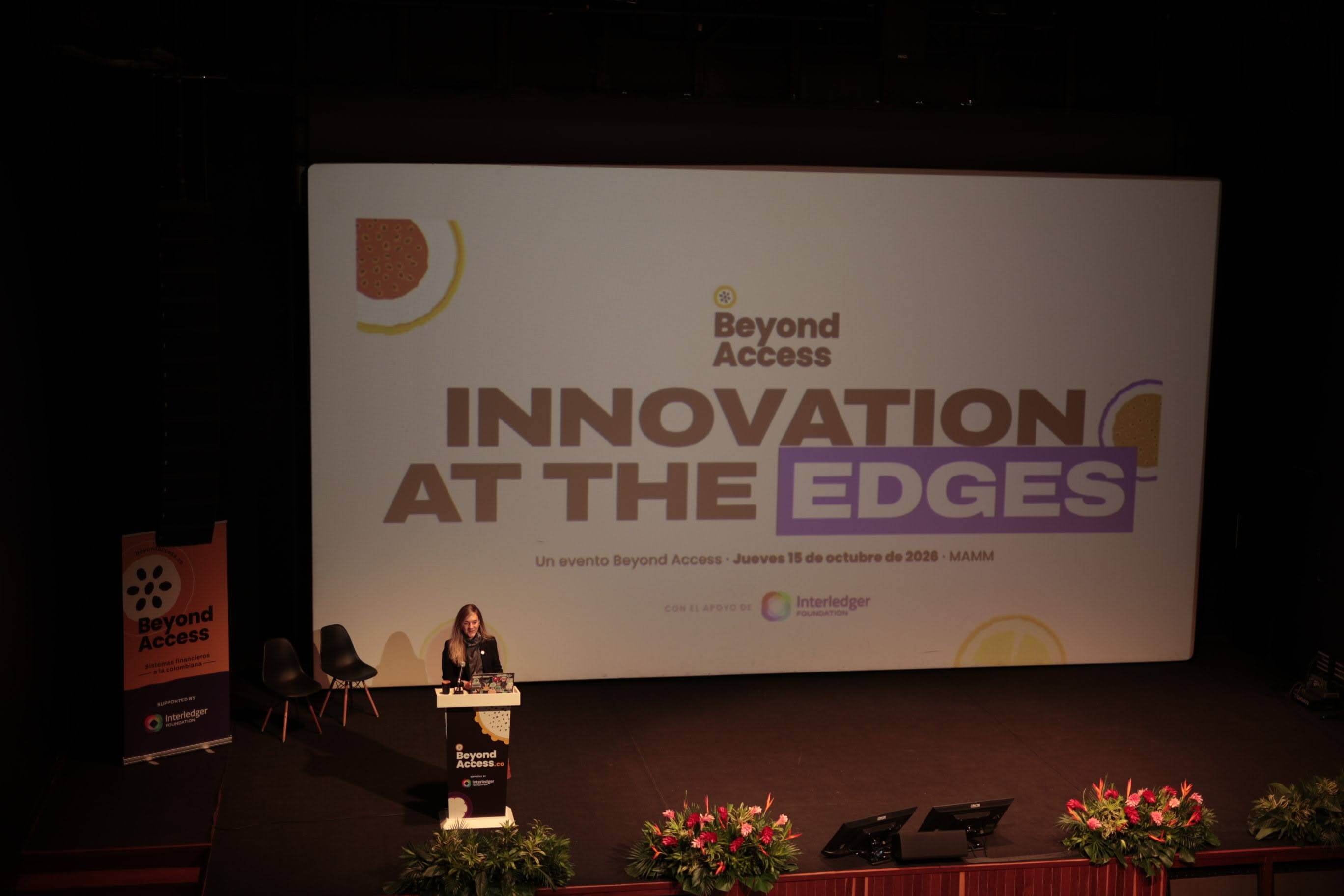
-
What DPI-Enabled Digital Lending Can Learn from Microfinance and Traditional Banking
India’s digital lending reaches few women. Comparing it with microfinance and public banking shows what DPI-enabled credit can learn about trust.
-
For Nigeria's Displaced People, the Problem Isn't Access. It's Whether Money Follows Them.
In Nigeria, 82% of displaced people surveyed had a bank account, yet few used it. A study finds identity rules, cash-outs and aid design lock them out.
-
Building a Global Expert Network for Interledger’s Call for Papers
Help shape research on open payments and financial inclusion. Join the Interledger Call for Papers expert network as a selector or reviewer.
-
Community-Led Financial Infrastructure in Kenya
Explore how Grassroots Economics and Community Asset Vouchers are strengthening community-led financial infrastructure and advancing financial inclusion in Kenya
 7 min de lectura
-
Cheaper Cross-Border Micropayments with Interledger
Discover how Interledger enables faster, lower-cost cross-border micropayments, comparing its performance with Lightning Network and mobile money.
-
Taxes on Digital Financial Services in Africa: Balancing Revenue and Inclusion
Explore how taxes on digital financial services affect mobile money adoption, financial inclusion, and government revenue across Africa.
-
Why access isn't enough: New research project to explore barriers to financial inclusion in Colombia
New research explores how trust and transparency shape financial inclusion in Colombia.
3 min de lectura
-
Banking Without Banks: What Africa Can Teach the U.S. About Financial Access
Africa’s fintech innovations, including Ghana’s digital onboarding, Nigeria’s collaborative fintech ecosystem, and Kenya’s mobile money success, show how accessibility-first financial systems can dramatically expand financial inclusion and economic opportunity.
 5 min de lectura
-
The Future of Financial Inclusion Starts With Trust
Financial inclusion starts with trust: people need financial systems that are transparent, relevant, and aligned with how they earn and manage money today. As the digital economy grows, institutions must combine modern technology with education and community-focused design to expand opportunity.
 8 min de lectura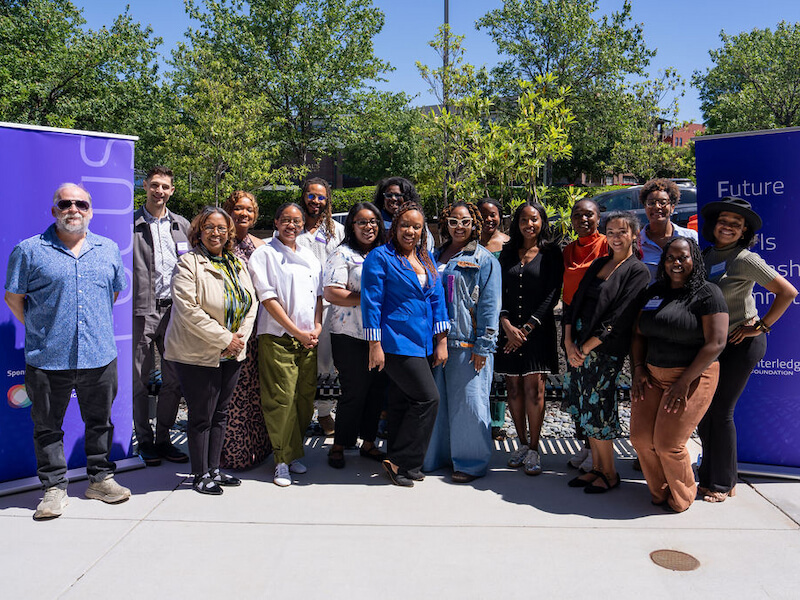





Mantente al día
Suscríbete a nuestro boletín y mantente al día con nuestras noticias y eventos.