Blog
41 Results
No results found. Please adjust your keyword search or filter settings.
Search is unavailable right now. Showing all posts instead — please try again later.
-
Beyond Access: Innovation at the Edges
34M+ users joined Colombia’s instant payments in six months. Beyond Access asks what comes next: turning access into everyday use and financial agency.
 4 min read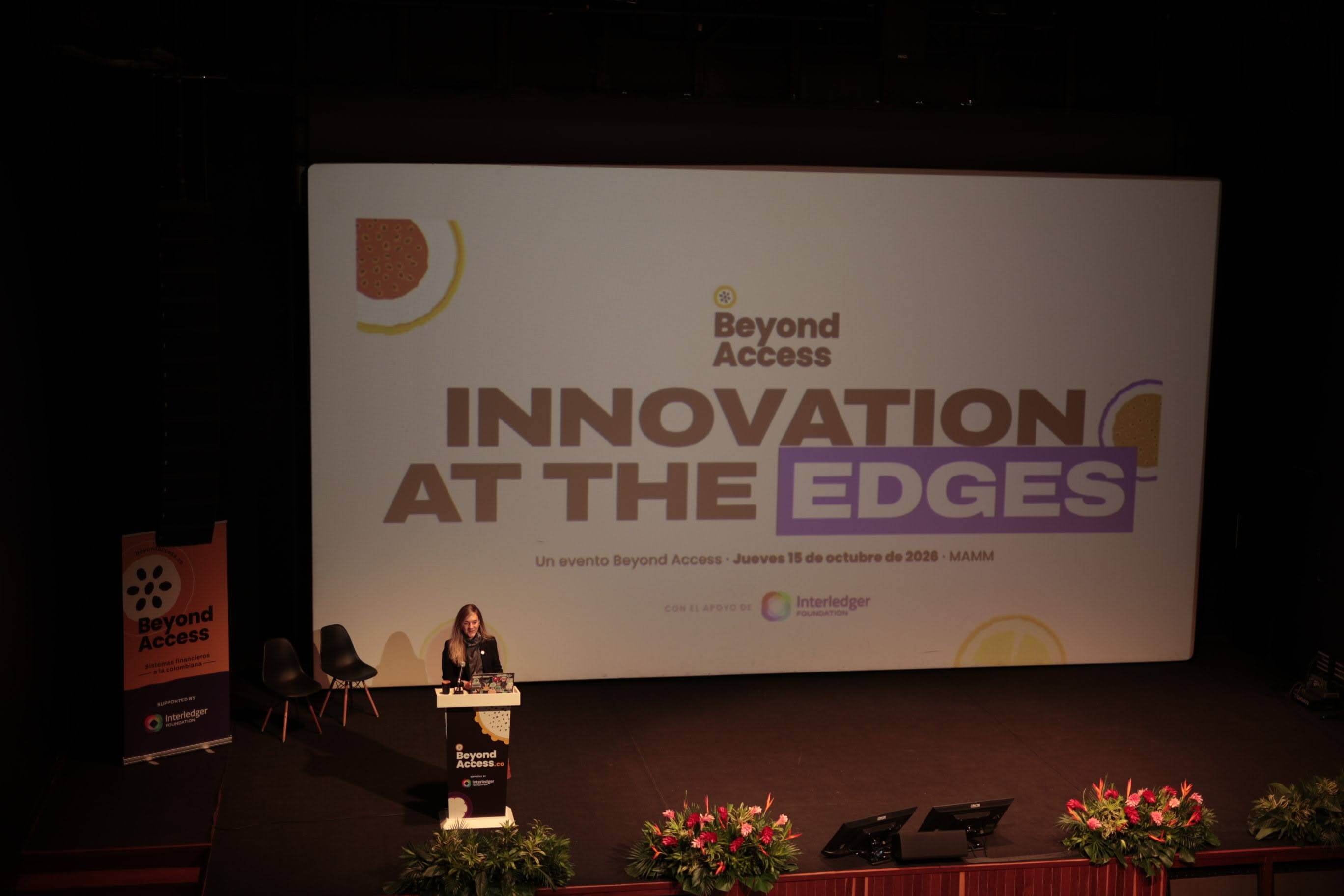
-
Building a Global Expert Network for Interledger’s Call for Papers
Help shape research on open payments and financial inclusion. Join the Interledger Call for Papers expert network as a selector or reviewer.
-
Community-Led Financial Infrastructure in Kenya
Explore how Grassroots Economics and Community Asset Vouchers are strengthening community-led financial infrastructure and advancing financial inclusion in Kenya
 7 min read
-
Taxes on Digital Financial Services in Africa: Balancing Revenue and Inclusion
Explore how taxes on digital financial services affect mobile money adoption, financial inclusion, and government revenue across Africa.
-
Why access isn't enough: New research project to explore barriers to financial inclusion in Colombia
New research explores how trust and transparency shape financial inclusion in Colombia.
3 min read
-
Banking Without Banks: What Africa Can Teach the U.S. About Financial Access
Africa’s fintech innovations, including Ghana’s digital onboarding, Nigeria’s collaborative fintech ecosystem, and Kenya’s mobile money success, show how accessibility-first financial systems can dramatically expand financial inclusion and economic opportunity.
 5 min read
-
The Future of Financial Inclusion Starts With Trust
Financial inclusion starts with trust: people need financial systems that are transparent, relevant, and aligned with how they earn and manage money today. As the digital economy grows, institutions must combine modern technology with education and community-focused design to expand opportunity.
 8 min read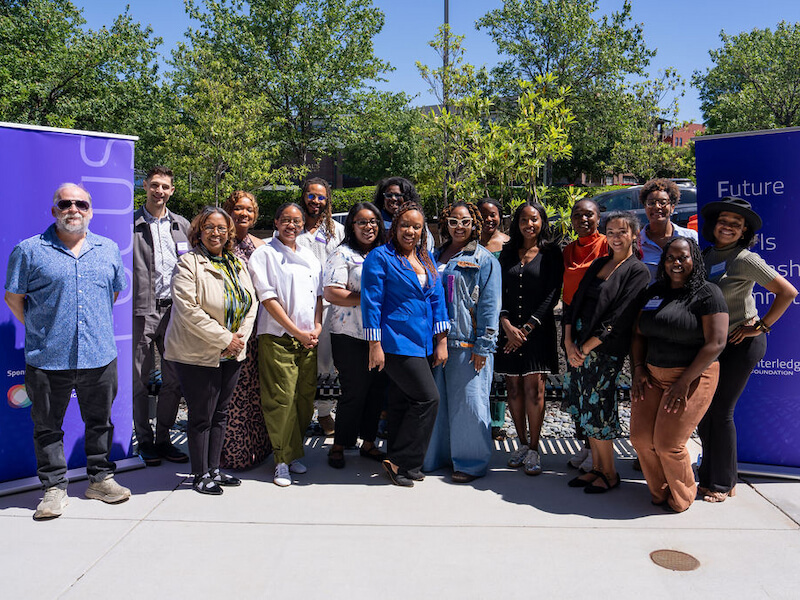
-
Why We Funded Research Into Who Gets Left Out of Instant Payments
Research across more than 20 countries found that instant payment systems often aim for inclusion but are designed in ways that exclude smaller financial providers through governance, regulatory, economic, and technical barriers.
 6 min read
-
Why Campuses are Becoming Testbeds for Digital Finance
Universities like Bowie State University are becoming key testing grounds for inclusive digital finance, where students with lived experience of financial exclusion help design more equitable systems. Its partnership with the Interledger Foundation shows how education and community engagement can shape the future of accessible financial infrastructure.
 8 min read
-
You Don’t Need 3 Apps to Pay Your Friends: Why U.S. Payments Feel Broken
U.S. digital payments feel fragmented because apps don’t interoperate, forcing users to juggle multiple platforms.